Toilet Repairs in The Gap
Running water in the middle of the night is what sends most people searching for toilet repairs The Gap, and the culprit is almost always one small worn part inside the cistern. Every job is done by a licensed plumber working across The Gap and the suburbs around it, and you see a fixed quote before any work starts.
If we're late, $100 comes off your bill

- Licensed and InsuredEvery job done by a licensed plumber. QBCC No: 15024607
- Fixed Quote FirstFlat-rate pricing, agreed before any work starts
- Lifetime Labour WarrantyBacked by our Fix-It-or-It's-Free guarantee (T&Cs apply)
- $0 Call-Out FeesNo extra charge for nights, weekends or public holidays
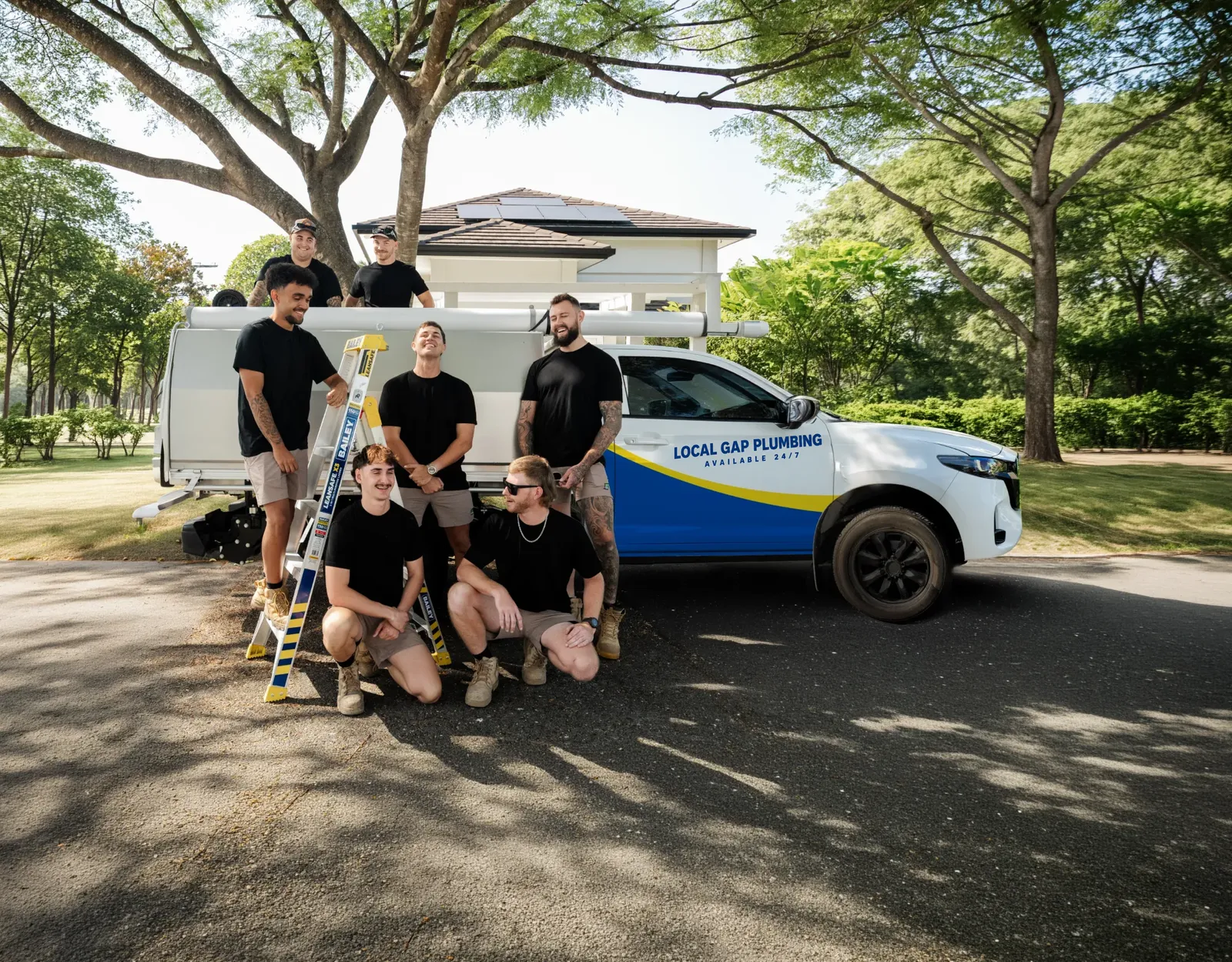
This page covers what goes wrong inside a cistern, where leaks show up, who may legally do the work in Queensland, and when a repair stops making sense. For dripping taps and mixers, see our tap repairs page; for the wider fixture work, start at tap and toilet plumbing.
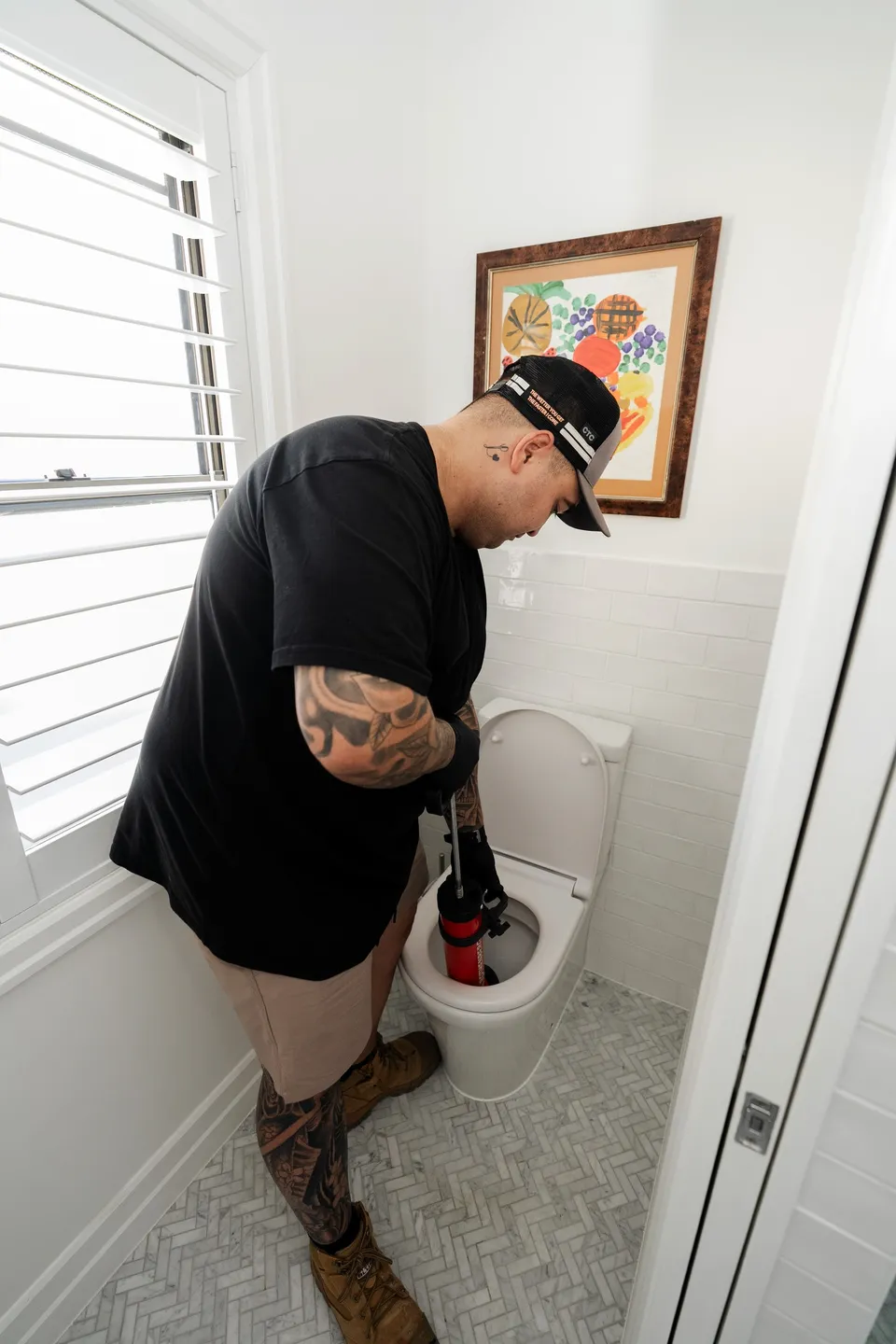
Inlet Valve, Outlet Valve and Float Explained
Three faults sit behind most cistern trouble: a clogged or worn inlet valve, an outlet valve with a tired washer, and seals that have perished where they sit.
The inlet valve tops the cistern up after each flush and closes when the float reaches its set level. Once that valve wears or clogs, the cistern fills at a crawl or never stops filling.
The outlet valve holds the water in the cistern between flushes. A worn outlet washer lets water slip into the pan, so the inlet valve keeps topping the cistern up, which is the running you hear.
The float sets the water level. Riding too low, it leaves a weak or partial flush, and the same complaint follows from blocked rim jets or a flush button that sticks.
When the supply is on but the cistern stays empty, look to the inlet valve, the float height or a stop tap only partly open. A silent leak gives itself away with food colouring: a few drops in the cistern, no flushing, and colour creeping into the bowl shows water escaping past the outlet.
Leaks at the Base, Cistern and Supply Line
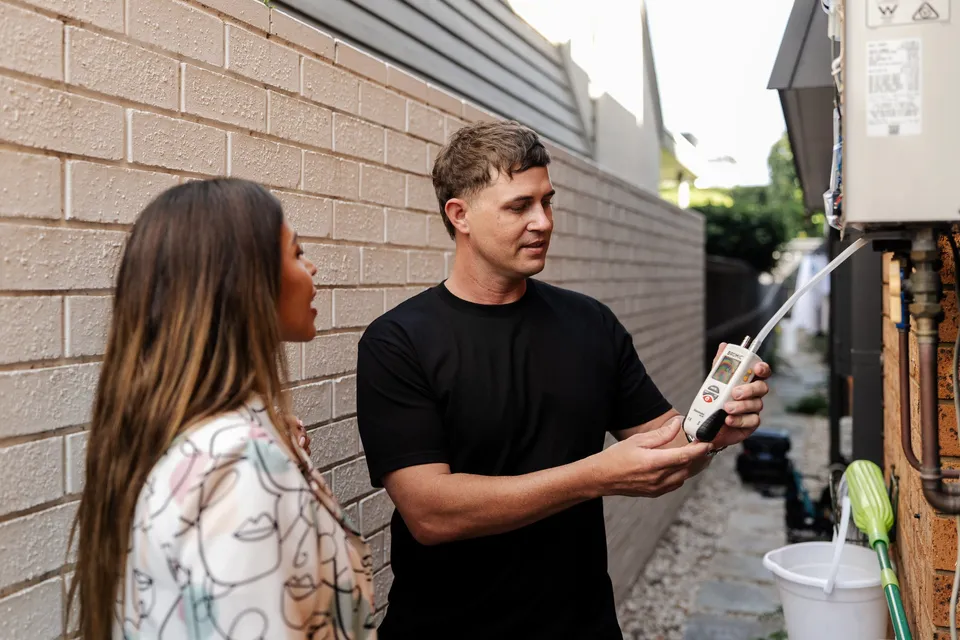
A leaking toilet shows its hand in three spots: between the cistern and the pan, around the base, and at the supply connection, and each spot names its own part.
Dampness where cistern meets pan points to the rubber seal joining the two. Water on the floor around the base usually means the pan connector, its seal, a weeping supply joint or a crack in the pan.
At the supply end, the small stop tap on the wall, often called a mini stop, or the braided hose above it are the usual culprits. A sewage smell near the pan can mean the rubber rings joining it to the drain have perished or shifted.
A pan that will not empty at all is a different job, and our blocked drains page covers it.
Who May Repair a Toilet in Queensland
The QBCC splits toilet work in two: three cistern parts are unregulated work, and everything else on a loo is for a licensed plumber.
Anyone with the appropriate knowledge and level of skill may swap a cistern's drop valve washer, float valve washer or suction cup rubber. The finished job still has to meet the standards.
Every other toilet repair counts as minor work: a QBCC licensee carries it out, with no council permit and no Form 4. For rentals, a loo that blocks or breaks is an emergency repair under the tenancy rules, the owner or manager keeps the place in good repair, and the tenant reports faults as soon as possible.

When a Cracked Toilet Is Past Repair
Four things drive the price: the failed part, whether the porcelain is cracked, how easily the cistern and its isolation tap can be reached, and how many parts are replaced. The figure arrives as a fixed quote after we have inspected the job on site.
Cracked porcelain ends the repair conversation: a split pan or cistern needs replacing, not patching. When one repair follows another, a replacement can cost less over the years than endless part swaps, and we weigh that up job by job.
A licensed plumber may only install a replacement cistern or suite that carries WaterMark certification and registration with the Water Efficiency Labelling and Standards scheme. Our toilet installation page covers the choices.
Old Cisterns on Shifting Ground
Two local conditions shape toilet work here: the post-war fill of the sixties and seventies has been through several rounds of cisterns already, and the ground under the suburb moves.
Homes climbing the valley walls above Walton Bridge Reserve sit on granite and phyllite slopes that shift between wet and dry spells. That slow movement works on the pan connector under a toilet over the years, which is one reason base seals here fail without any warning signs inside the cistern.
How We Fix Your Toilet
- 1

Get in touch
Call (07) 3524 7137 or send a quick message about the job in The Gap, and we'll ask what we need to know.
- 2

We strip the cistern and test
We take the lid off, test the inlet and outlet valves, check the seals around the pan, and trace any water back to where it starts. You hear the diagnosis before a single part is ordered.
- 3
Sign off the quote
You'll see a fixed quote before any work starts, with flat-rate pricing and no hidden fees. The job starts when you're happy with it.
- 4

Pay once it's done
Pay by card or EFTPOS on site after the work's finished, or choose Fix now, pay later.
Plumbing job in The Gap?
$0 call-out fees, available 24/7, and same-day where we can.
Your Toilet Questions Answered
Call (07) 3524 7137Why is my toilet cistern not filling up?
Three things cause it: an inlet valve that has worn or clogged, a float riding too low, or a supply tap that is not fully open. Confirm the water is on, then book a plumber to test the valve and float.
What causes a leak at a toilet base in The Gap?
Water at floor level usually means the pan connector, its rubber seal, a weeping supply joint or a crack in the pan. Dampness higher up, where cistern meets pan, points to the seal joining those two pieces.
Why does my toilet smell of sewage?
The rubber rings sealing the pan into the drain may have perished or shifted, letting sewer air into the room. A plumber checks those rings and the pan connector, then renews whatever has failed.
Can I fix a leaking toilet myself in The Gap?
Yes, for three cistern parts only: the drop valve washer, the float valve washer or the suction cup rubber, which the QBCC lists as unregulated work. The result must still meet the standards, and every other toilet repair needs a licensed plumber.
How much does a toilet repair cost in The Gap?
The price turns on the failed part, any crack in the porcelain, how easily the cistern and its isolation tap can be reached, and how many parts are replaced. You see a fixed quote once a plumber has looked at the job.
Book Your Toilet Repair TodayWe'll call you back.
Book on (07) 3524 7137 for plumbing anywhere in The Gap. We're available 24/7, there's no extra charge for nights, weekends or public holidays, and every job comes with $0 call-out fees.
To claim your $0 call-out fee, call (07) 3524 7137 today.