Tap Replacement in The Gap
Tap replacement in The Gap usually means one of two jobs: an old fitting has given up, or the bench is getting a refresh. Every job is done by a licensed plumber, and you see a fixed quote before any work starts. We work across The Gap and the neighbouring suburbs, in homes running from 1940s weatherboard to 2000s brick.
If we're late, $100 comes off your bill

- Licensed and InsuredEvery job done by a licensed plumber. QBCC No: 15024607
- Fixed Quote FirstFlat-rate pricing, agreed before any work starts
- Lifetime Labour WarrantyBacked by our Fix-It-or-It's-Free guarantee (T&Cs apply)
- $0 Call-Out FeesNo extra charge for nights, weekends or public holidays
At the last census, 38.8 per cent of dwellings here were owned outright and another 44.8 per cent carried a mortgage, so most new tapware is chosen by owners upgrading their own place. That era mix means we match fresh fittings to everything from twin taps on a cast basin to mixers on a stone bench. For the wider range of tap and toilet plumbing, we handle repairs and installations alike.
Mixer Taps and Separate Taps Compared
A mixer runs hot and cold together into one spout, worked by a single lever or a pair of handles; separate taps keep the two supplies apart, one outlet each. Whatever you choose has to fit the bench. The new fitting needs to match the count and width of the holes in the sink or basin, the deck or wall mounting, and the supply connections underneath.
That's why the existing tap and its connections get looked over before anything is ordered. A tap on the wall is fed from pipes buried in the wall cavity, so a swap between wall and deck styles means opening up the wall or the basin too.
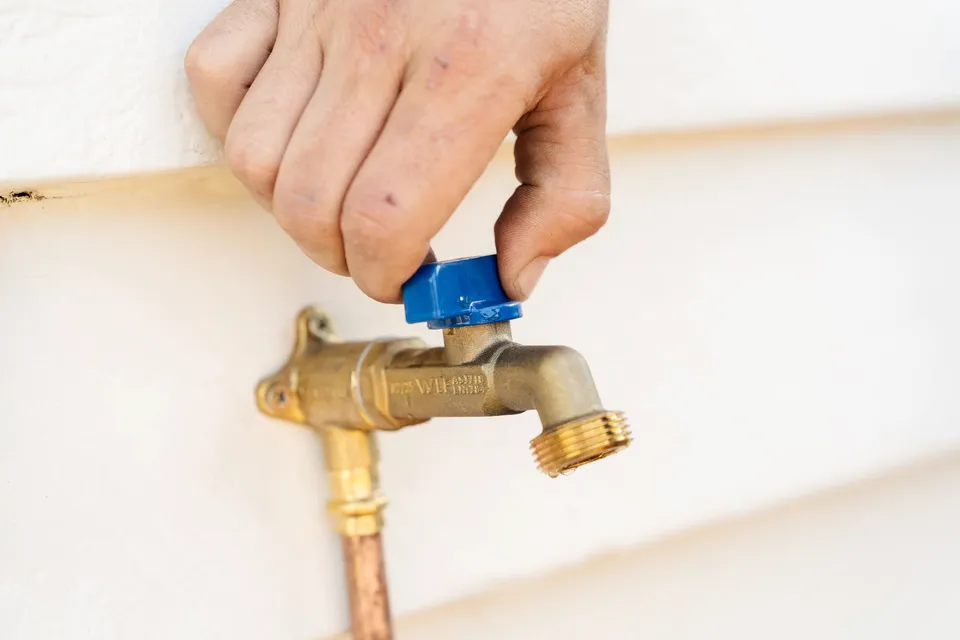
Isolation valves earn their keep here. One on each supply line closes the water at the fitting alone, so nobody has to shut down the whole house.
What the Labels on a Tap Box Mean
WaterMark certification is the proof that a plumbing product meets Australia's plumbing code and is fit for its purpose. The Water Efficiency Labelling and Standards scheme (WELS) registers taps and rates them for water efficiency, putting the stars and the draw figure on the box. A tap carries both marks before the law lets a licensed plumber install it.
Buy online and one more check applies. The advertisement shows the WaterMark trademark with the product specification and its licence number, along with the WELS registration details, the star rating and the water usage. You can search either product database by model name before paying, and ask the seller for anything missing.
Business Queensland requires 3 stars on tap fittings in new building work, and its guidance notes the rule leaves renovations alone.
Tap Washers, Whole Taps and the Licence Line
Replacing a tap is work for a licensed plumber in Queensland. The QBCC's unregulated list includes exactly one tap job: swapping the internal washer and jumper valve. Anyone with the skills may do that, provided the finished job still complies with the standards. If a drip is all that's wrong, our tap repairs page handles the smaller fix.
The paperwork splits two ways. Swapping like for like is classed as minor work, which a QBCC licensee handles without a permit and without a Form 4. A tap going in new, or shifting to a new spot, counts as notifiable work. No council permit applies, and we report the job to the QBCC on a Form 4 within 10 business days of finishing.
Renters follow a different track. Before attaching any fixture, a tenant needs the owner's or manager's written consent on a Form 23, and the answer can't be refused for no good reason.
A tap fitted without that consent leaves the owner or manager three choices. They can treat the matter as a breach and try to resolve it, accept the change as an improvement, or remove what was fitted and pass the removal cost to the tenant.

Which Rental Taps Meet the Flow Limit
For a rental to count as water efficient, the cold taps inside and the single mixers are capped at 9 litres per minute. Meet that, and the owner can pass the full water charge to the tenant. The taps that count are the cold ones serving a hand basin, a kitchen sink or a laundry trough, mixers included.
Baths, outdoor garden taps and the taps that supply appliances sit outside the test. To prove the taps pass, the Residential Tenancies Authority (RTA) suggests keeping plumbing reports or compliance certification, receipts, packaging, and the warranties or instruction manuals that came with the taps and showerheads. For fixtures produced from 2005 onwards, look for a WELS rating of 3 stars or higher.

What Changes the Price of a Tap Replacement
Five things drive the price:
Tap type
a basic pair costs less to supply and fit than a mixer with a pull-out spout.
Isolation valves
reusable shut-offs keep the job simple; seized ones add work.
Bench or basin holes
a new tap that doesn't line up with the existing holes means altering the bench.
Access
cramped cabinets under a sink slow every step of the fit.
Form 4 fee
where a Form 4 applies, the contractor lodges and pays for it, and that cost plus admin time can be passed to the owner.
Local housing shapes a couple of these. Much of the suburb's tapware dates from build eras between the 1940s and the 2000s, and older bathrooms often carry wall-mounted fittings that need the wall opened to convert. When the whole room is being renewed at once, our toilet installation guide covers the pan side of the job.
No dollar figure survives a guess, so the fixed quote settles it once we've seen the bench.
How We Replace Your Tap
- 1

Get in touch
Call (07) 3524 7137 or send a quick message about the job in The Gap, and we'll ask what we need to know.
- 2

Match the new tap on site
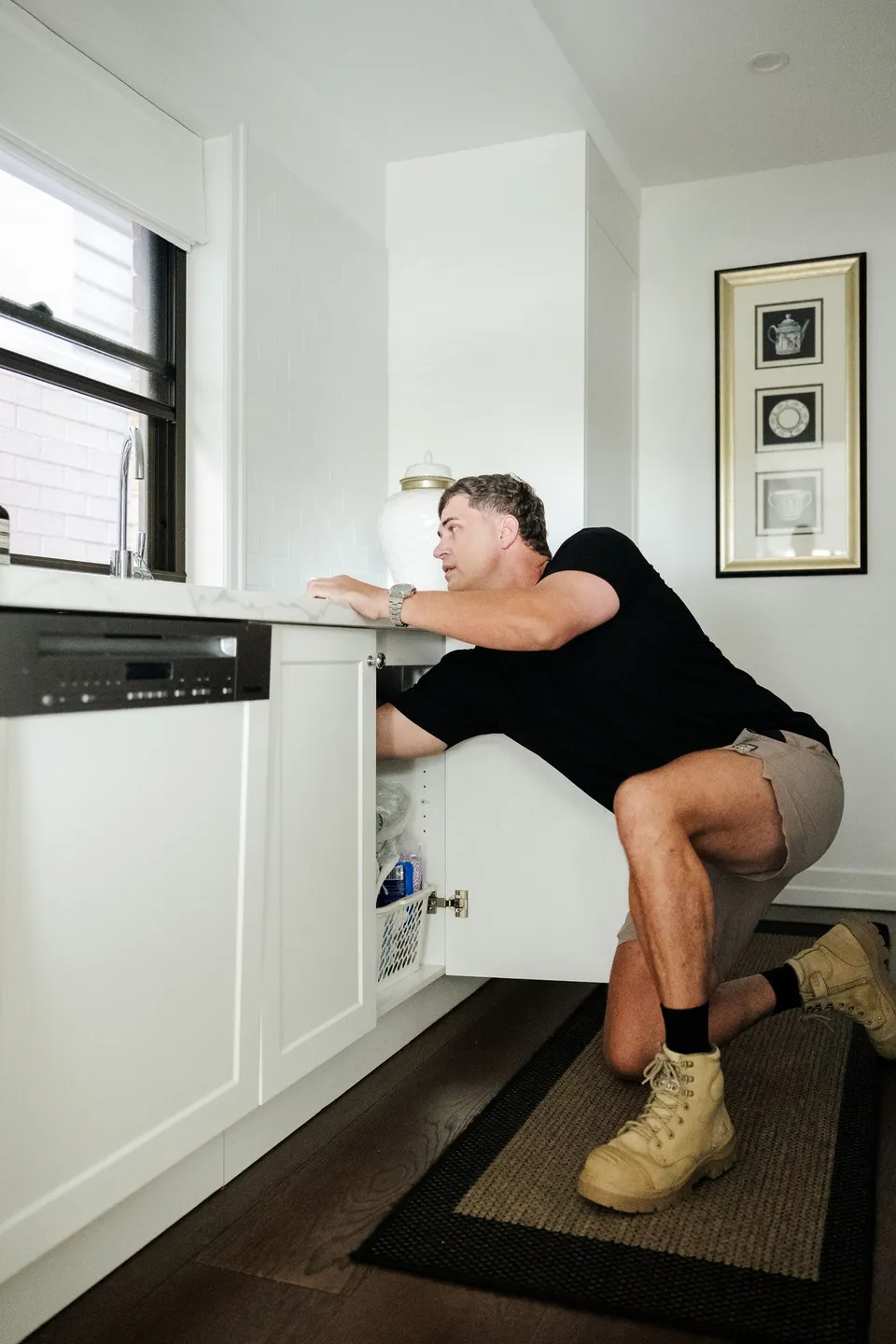
We measure the holes, test the shut-off valves and check the supplies under the bench, then confirm which mixer or pair of taps fits what's already there.
- 3
Sign off the quote
You'll see a fixed quote before any work starts, with flat-rate pricing and no hidden fees. The job starts when you're happy with it.
- 4

Pay once it's done
Pay by card or EFTPOS on site after the work's finished, or choose Fix now, pay later.
Plumbing job in The Gap?
$0 call-out fees, available 24/7, and same-day where we can.
Tap Replacement Questions From The Gap
Call (07) 3524 7137Can I replace a tap myself in The Gap?
No, swapping a whole tap belongs to a licensed plumber. The QBCC lists one tap job as unregulated: changing the internal washer and jumper valve, which a capable home owner may do provided the finished work complies with the standards.
How much does it cost to swap a tap in The Gap?
Two things drive most of the price: the style of tap you pick, and whether the shut-off valves and fittings below the bench are reusable. You see the fixed price in writing before we begin.
Does a tap replacement need a permit or a Form 4?
A like-for-like swap is minor work, so it needs neither a permit nor a Form 4. A new or moved tap is notifiable work: no council permit, but we lodge a Form 4 with the QBCC. A building on a shared drain or dual reticulated supply can need a permit.
What flow rate do rental taps need in Queensland?
The limit is 9 litres per minute for internal cold taps and single mixers. Meet it, and the owner can charge the tenant for all water. It covers cold taps over a hand basin, kitchen sink or laundry tub, not bath, garden or appliance taps.
Do Queensland taps need a minimum star rating?
Yes, taps sold in Australia carry WELS registration with the star rating and water usage on display, and WaterMark certification is what makes installation legal. The 3-star tapware minimum is a building rule that Business Queensland says spares renovations.

Call Us About Your New TapsWe'll call you back.
Book on (07) 3524 7137 for plumbing anywhere in The Gap. We're available 24/7, there's no extra charge for nights, weekends or public holidays, and every job comes with $0 call-out fees.
To claim your $0 call-out fee, call (07) 3524 7137 today.