Rainwater Tank Installation in The Gap
A tank plumbed indoors earns its keep; one that only waters the garden does half the job. Rainwater tank installation The Gap homeowners book usually means connecting the tank to toilets, laundry and garden taps. Blocks near the Walkabout Creek entrance to D'Aguilar National Park have the room for it, and we're the The Gap plumbers who do the connection, with every job done by a licensed plumber.
If we're late, $100 comes off your bill

- Licensed and InsuredEvery job done by a licensed plumber. QBCC No: 15024607
- Fixed Quote FirstFlat-rate pricing, agreed before any work starts
- Lifetime Labour WarrantyBacked by our Fix-It-or-It's-Free guarantee (T&Cs apply)
- $0 Call-Out FeesNo extra charge for nights, weekends or public holidays
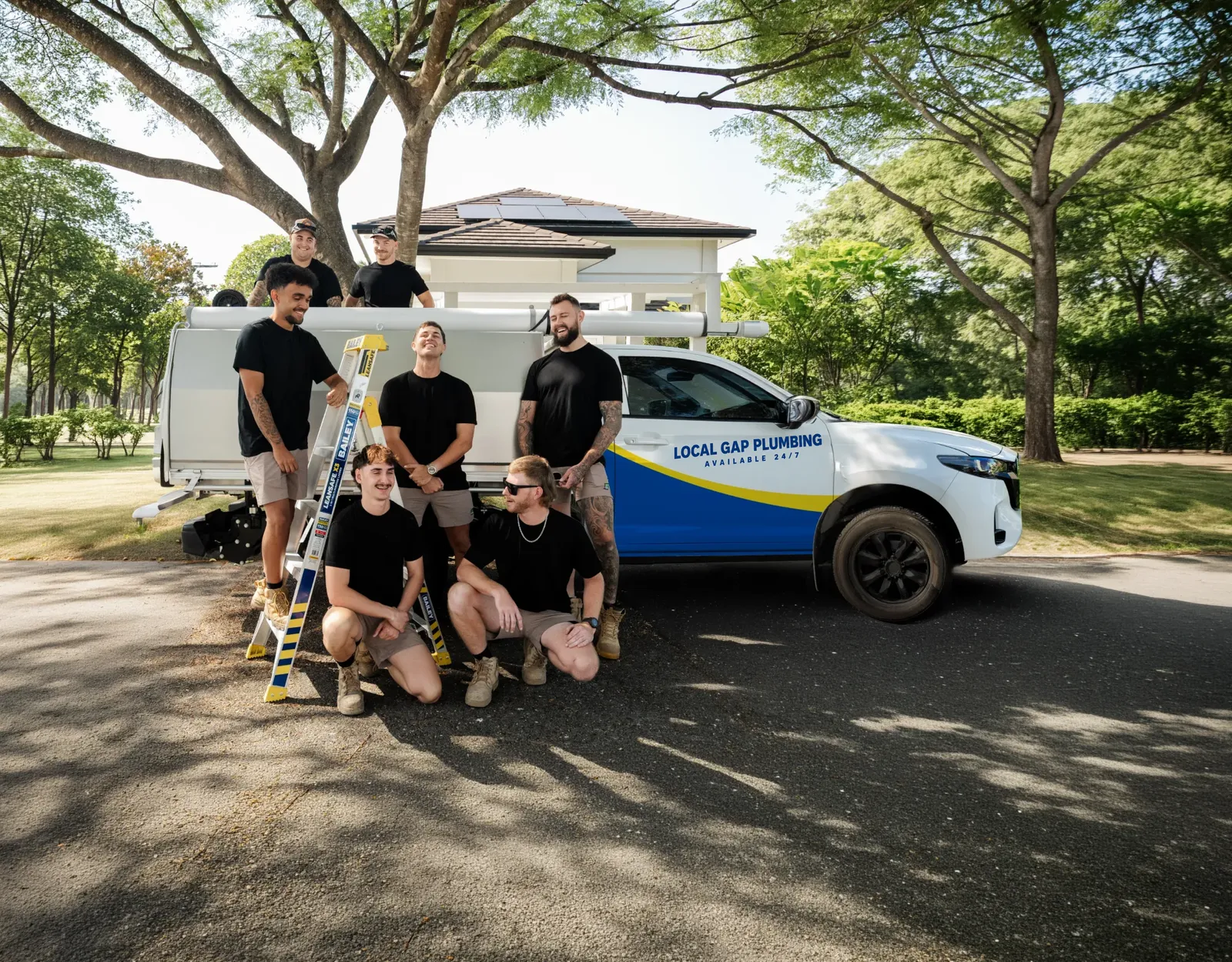
Below is how the connection works, what the water can be used for, what approvals apply and what upkeep the tank needs once it's running.

From Roof to Toilet and Laundry Tap
The water follows a set path: off the roof, through a first flush diverter and a screened inlet into the tank. From there, a plumbed outlet feeds the toilets, the cold water laundry tap and the garden taps. A licensed plumber does that connection, because joining a tank to a toilet or a washing machine tap counts as regulated plumbing work in Brisbane.
The first flush diverter stops the opening rush of roof water, so the muck washed off the roof stays out of the tank. Every opening on the tank, overflows included, then needs a mosquito-proof screen or a flap valve. For a Brisbane home, the openings measure under one millimetre, in stainless steel or aluminium, fitted to stay secure but come off for cleaning.
What Tank Water Can Be Used For
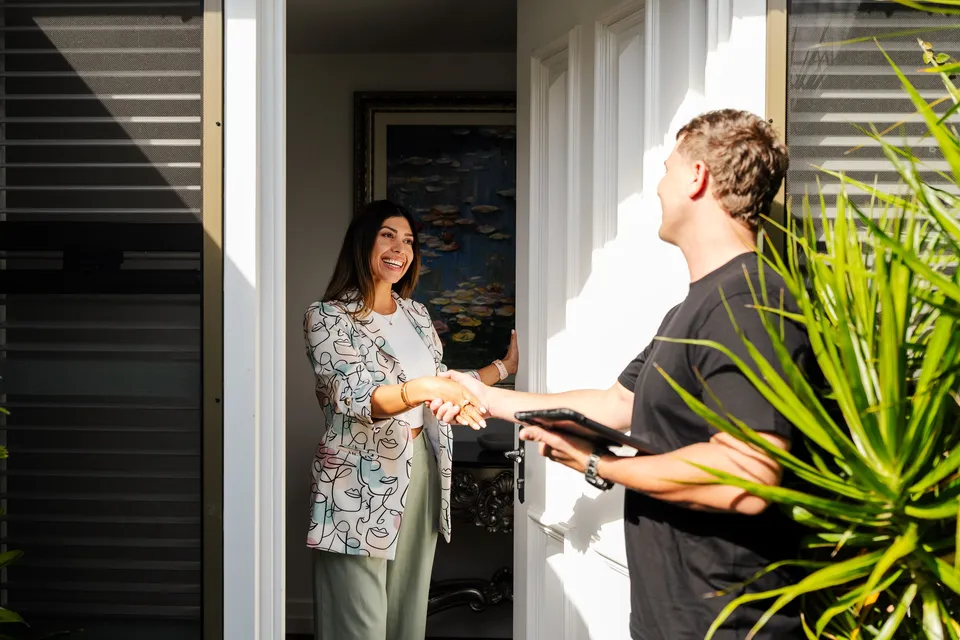
Roof-harvested rainwater can flush toilets, feed the cold tap on the washing machine and water the garden without further treatment, because those uses generally present a low disease risk. That trio is exactly what a tank is best at in a connected suburb.
Drinking, cooking and personal hygiene are different. Town water remains the safest, most reliable option, so tank water for those purposes is only for homes no town supply reaches. If you want better water at the kitchen sink, our water filter installation page covers that side of things.
Approvals for a Rainwater Tank
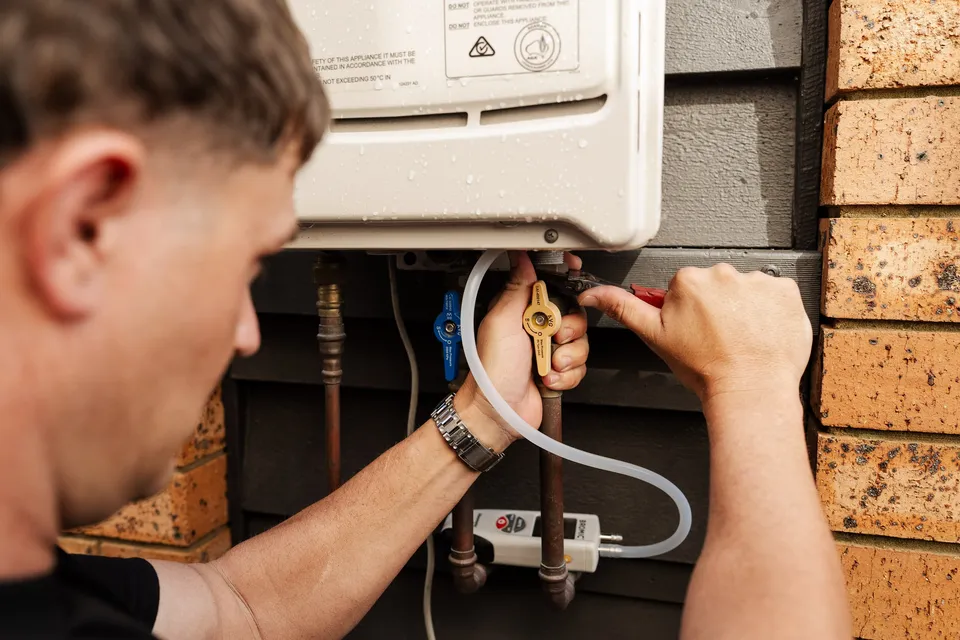
The council decides, and the first step is contacting the council for its planning guidelines before you install anything. For a Brisbane home, the approvals that may apply are planning, plumbing and building approval, depending on the location, the tank size and where it sits on the block.
The Bushfire overlay code can also come into play, which matters on the streets here that back onto Mount Coot-tha and D'Aguilar bushland. Rules for tanks connected inside the house may apply too. We handle the plumbing side of the paperwork as part of the job.
Tank Maintenance Checks and Their Timing
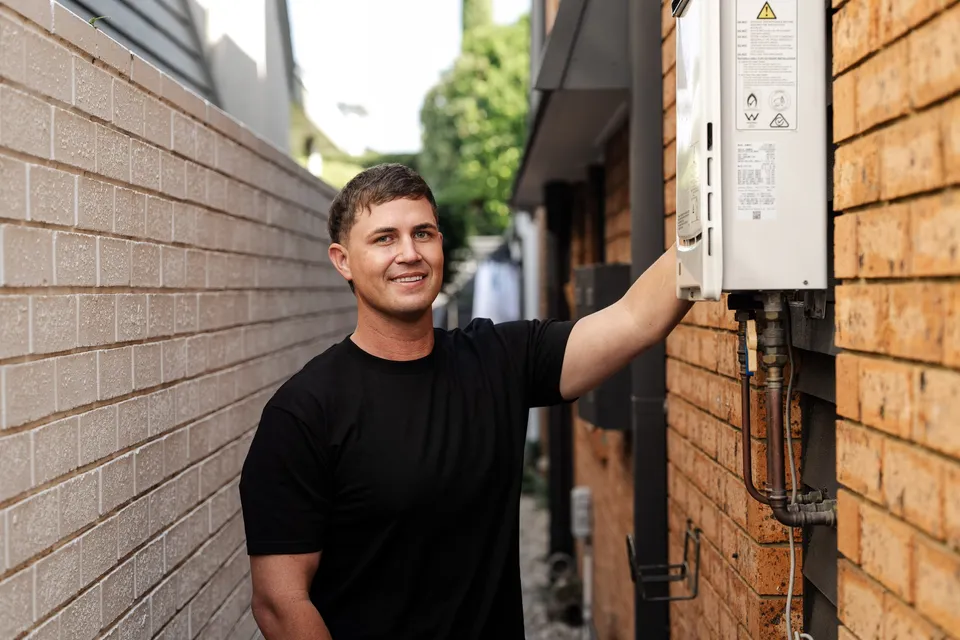
The routine runs on three clocks. Check and clean the first flush device every 3 months. Check the screens, flap valves, roof and animal access every 6 months, and inspect for sludge on a two-to-three-year cycle.
Let mosquitoes breed in the tank and an on-the-spot fine of up to 3 penalty units can follow, so the checks are worth keeping honest about. Between those clocks, a few jobs come up:
- Open and clean out the first flush diverter again after rain, since storm flow loads it fast.
- Repair rips or holes in screens and valves straight away.
- Clear built-up leaf and plant debris from the roof and prune branches hanging over it.
- Close off any access points where animals, birds or insects are getting in.
Why Tanks Suit The Gap Blocks
The suburb is mostly detached houses, 5,438 of its 5,914 dwellings at the last census, and low-density blocks give tanks somewhere to sit. Streets off Payne Road and up the valley walls have the garden space a tank needs. The 1960s and 1970s housing belt was built when stormwater capacity was a simpler matter than it is now, and a tank taking roof water indoors eases some of that load.
The valley setting helps too. Streets climb granite and phyllite slopes, so roof water gathers speed on the way down, and a tank holding some of that water is one less surge heading for the pits low in the catchment. If your tank needs a pump to push water up a slope, our water tank pumps page covers that side, and our water pipe repairs page handles the pipework between tank and house.
How We Install a Tank Connection
- 1

Get in touch
Call (07) 3524 7137 or send a quick message about the job in The Gap, and we'll ask what we need to know.
- 2

Check the site and the plan
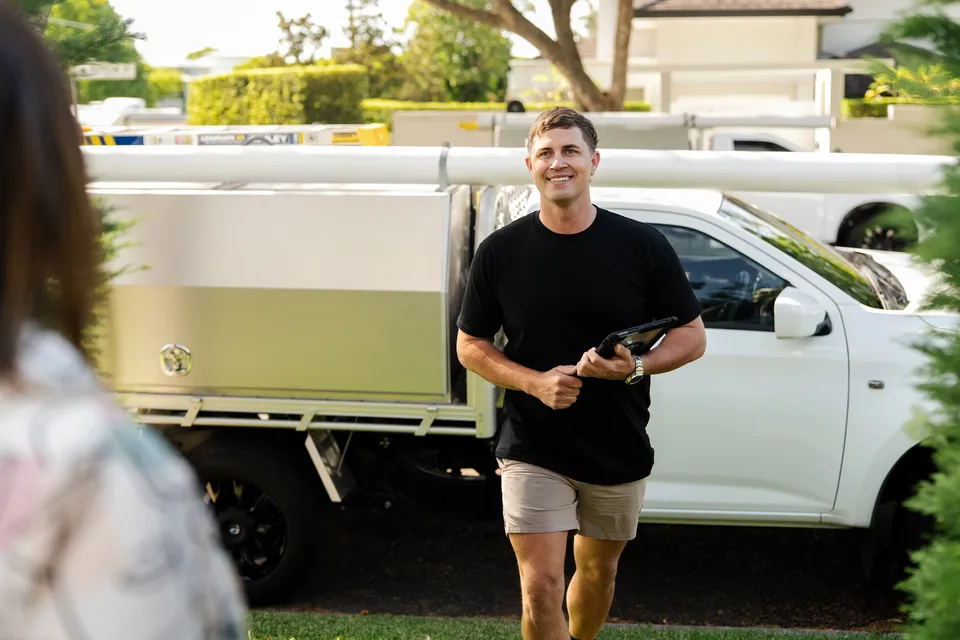
We look at where the tank sits, which fixtures it will feed and how the pipe run travels to reach them. Sloping blocks and rock near the surface can shape the route, so we map that before quoting.
- 3
Sign off the quote
You'll see a fixed quote before any work starts, with flat-rate pricing and no hidden fees. The job starts when you're happy with it.
- 4
Pay once it's done
Pay by card or EFTPOS on site after the work's finished, or choose Fix now, pay later.
Plumbing job in The Gap?
$0 call-out fees, available 24/7, and same-day where we can.
Rainwater Tank Questions From The Gap Homes
Call (07) 3524 7137Can I connect a rainwater tank to my toilet myself?
No, the connection is regulated plumbing work. Joining tank water to a toilet or a washing machine tap in Brisbane needs a licensed plumber. You can still look after the tank itself, including the screens and the first flush diverter.
Is it safe to drink tank water in The Gap?
No, not while town water reaches your home. Town supply is safer and more reliable for drinking, hygiene and cooking, so keep tank water for the toilet, the laundry and the garden.
When should I clean the first flush device on my tank in The Gap?
Give the first flush diverter a check and a clean each 3 months, and open it for another clean-out after rain. Rainfall here averages 1047 mm a year, so the diverter works often and the debris it catches builds up fast.
What affects the cost of a rainwater tank install in The Gap?
The price hinges on the number of fixtures the tank supplies, the length of the pipe run, and whether you need a pump or a mains top-up. A fixed quote before any work starts sets the exact figure for your block.
How do I deal with sludge at the bottom of my tank?
Inspect the tank interior for sludge every two or three years. If the build-up is spreading across the base, draw the sludge out with a siphon or drain the tank completely and start fresh. Heavy leaf fall near the bush edge makes the check worth doing on time.

Call Us About Your Tank ConnectionWe'll call you back.
Book on (07) 3524 7137 for plumbing anywhere in The Gap. We're available 24/7, there's no extra charge for nights, weekends or public holidays, and every job comes with $0 call-out fees.
To claim your $0 call-out fee, call (07) 3524 7137 today.