Gas Bayonet Installation in The Gap
An outdoor bayonet point is a socket fixed to the gas pipework, set into brickwork or a floor, that a heater or barbecue hose clicks into. Gas bayonet installation in The Gap is gas work from start to finish, so only a licensed gasfitter may do it. Local Gap Plumbing arranges it alongside our wider gas fitter in The Gap service, and every job is done by a licensed plumber.
If we're late, $100 comes off your bill

- Licensed and InsuredEvery job done by a licensed plumber. QBCC No: 15024607
- Fixed Quote FirstFlat-rate pricing, agreed before any work starts
- Lifetime Labour WarrantyBacked by our Fix-It-or-It's-Free guarantee (T&Cs apply)
- $0 Call-Out FeesNo extra charge for nights, weekends or public holidays
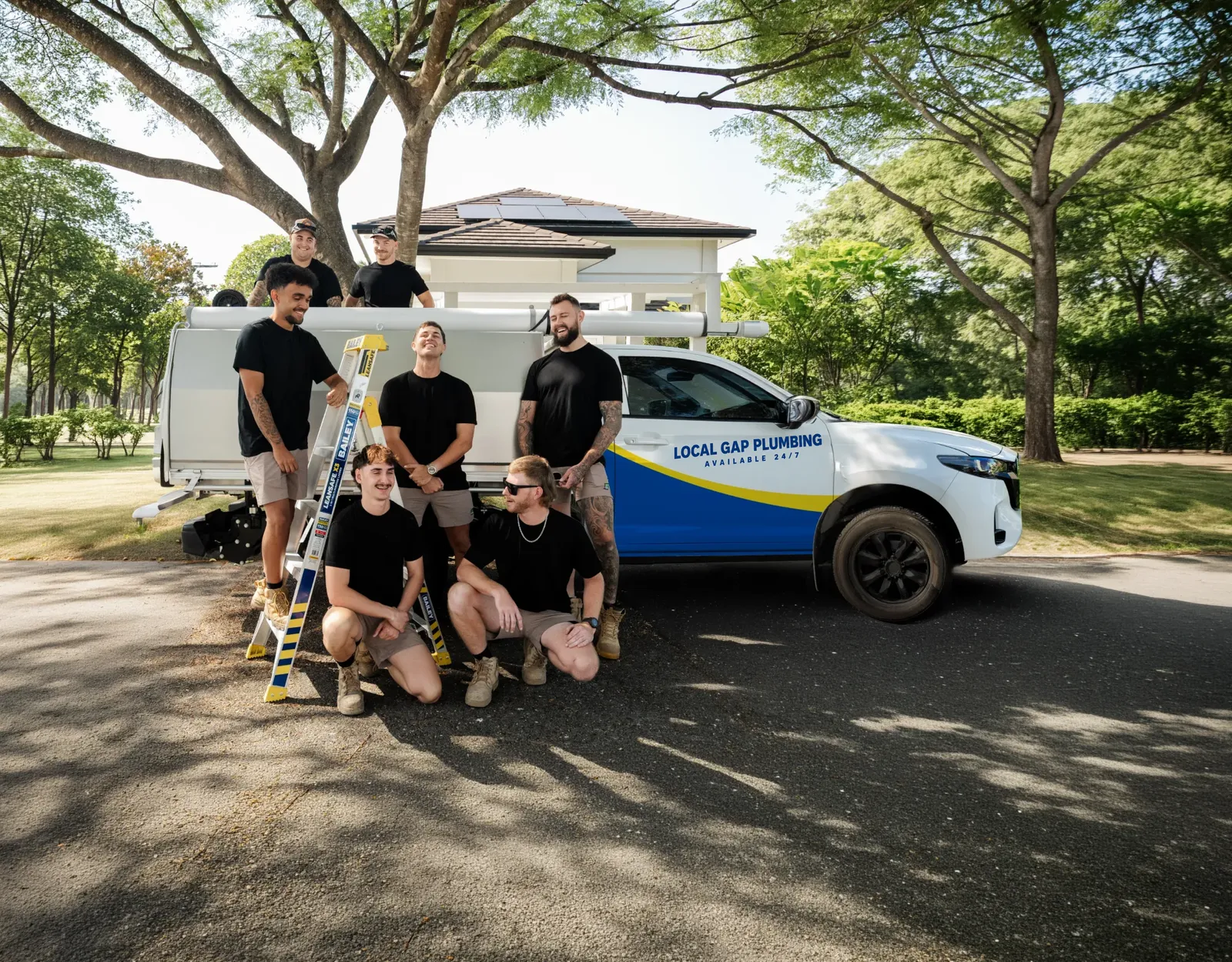
Most homes in The Gap are detached houses on roomy blocks, so the work we see is patios, decks and alfresco corners. This page covers what the installation involves, the safety rules for outdoor appliances, and what drives the price.

Fixed Outdoor Gas Points and the Licence They Need
Queensland gives this job to one tradesperson: a licensed gasfitter, because installing or altering pipework and connections is gas work by law. The socket itself is only part of the job, since the line feeding it has to be sized, run and tested first.
The gasfitter also decides where the point sits. Position follows the appliance and how its hose reaches, worked out against the maker's instructions and the relevant standards.
Paperwork closes the job out. The licence holder gives you the compliance certificate immediately on completion, confirming the installation meets the rules.
Outdoor Gas Heaters and Carbon Monoxide
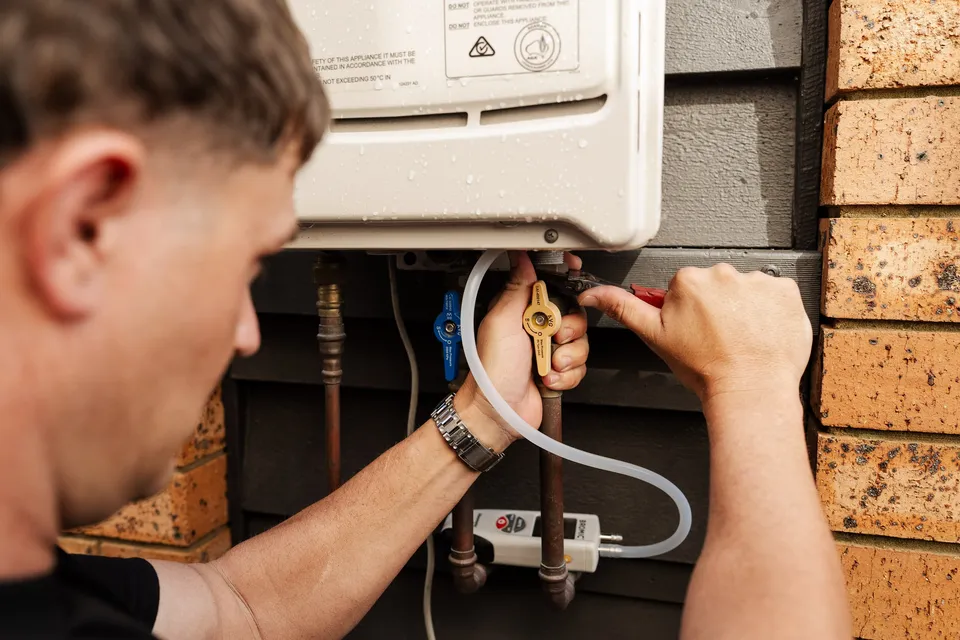
No, an outdoor portable heater never comes inside or into a semi-enclosed area. A faulty or misused unit gives off serious quantities of toxic carbon monoxide, and open air is the only safe place for one.
Servicing matters as much as placement. Have the heater checked before winter each year, so the first cold night doesn't start with a unit that has sat unloved since spring.
A heater plumbed into the gas line rather than portable is a connection job too. That pipework is gasfitter's work, the same as any other part of the system.
Inbuilt BBQ Connections and the Safety Alert
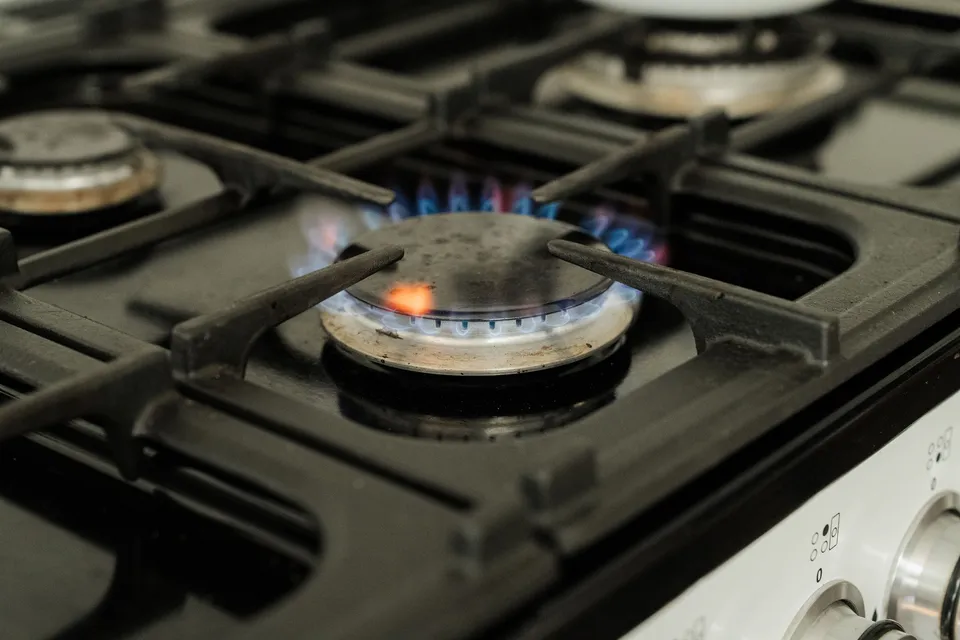
An inbuilt BBQ gets three things from a licensed gasfitter: a connection into the supply, an installation set up per the manufacturer's instructions, and a leak test of every joint before packing up. The barbecue sits built into a bench or cabinet, so the joints stay out of sight and the testing matters more, not less.
The Queensland safety alert covers a gas smell at an inbuilt barbecue, and its steps run in this order:
- Cut the gas to the appliance.
- Extinguish any naked flame.
- Keep ignition sources away, including phones, cameras or lights.
- Raise the hood and leave the cabinet doors wide open so air moves through.
If the smell stays after that, the Queensland Government steps take over: turn the supply off at the meter or bottle, then contact the gas supplier or have us come out. Call 000 if the smell still hangs on. Our gas leak repairs page covers suspected leaks elsewhere around the home.

Existing Gas Line or a New Run to the Patio
What the job costs comes down to three things. One is whether the existing line has capacity for another point, or a fresh run has to come from the meter or a whole new bottle system. Another is the supply check for the added load, and the third is access, since the pipe has to get through walls, floors or earth.
The fixed quote settles the figure after the gasfitter inspects the job. The supply check looks at the whole chain: for a metered supply, the meter's capacity and the pipe sizes; for a bottle setup, cylinder storage and the vaporisation rate.
The ground shapes the run. Homes climb granite and phyllite slopes, and shallow stony soil makes trenching slow. A new line out to a patio on the hillside blocks above Payne Road often means working around rock.
At the last census the suburb held 5,914 dwellings. Area-level figures show 245 approved across five years, so fresh decks and alfresco areas keep appearing beside the older ones, each wanting its own point.
LPG Cylinders for Outdoor Appliances
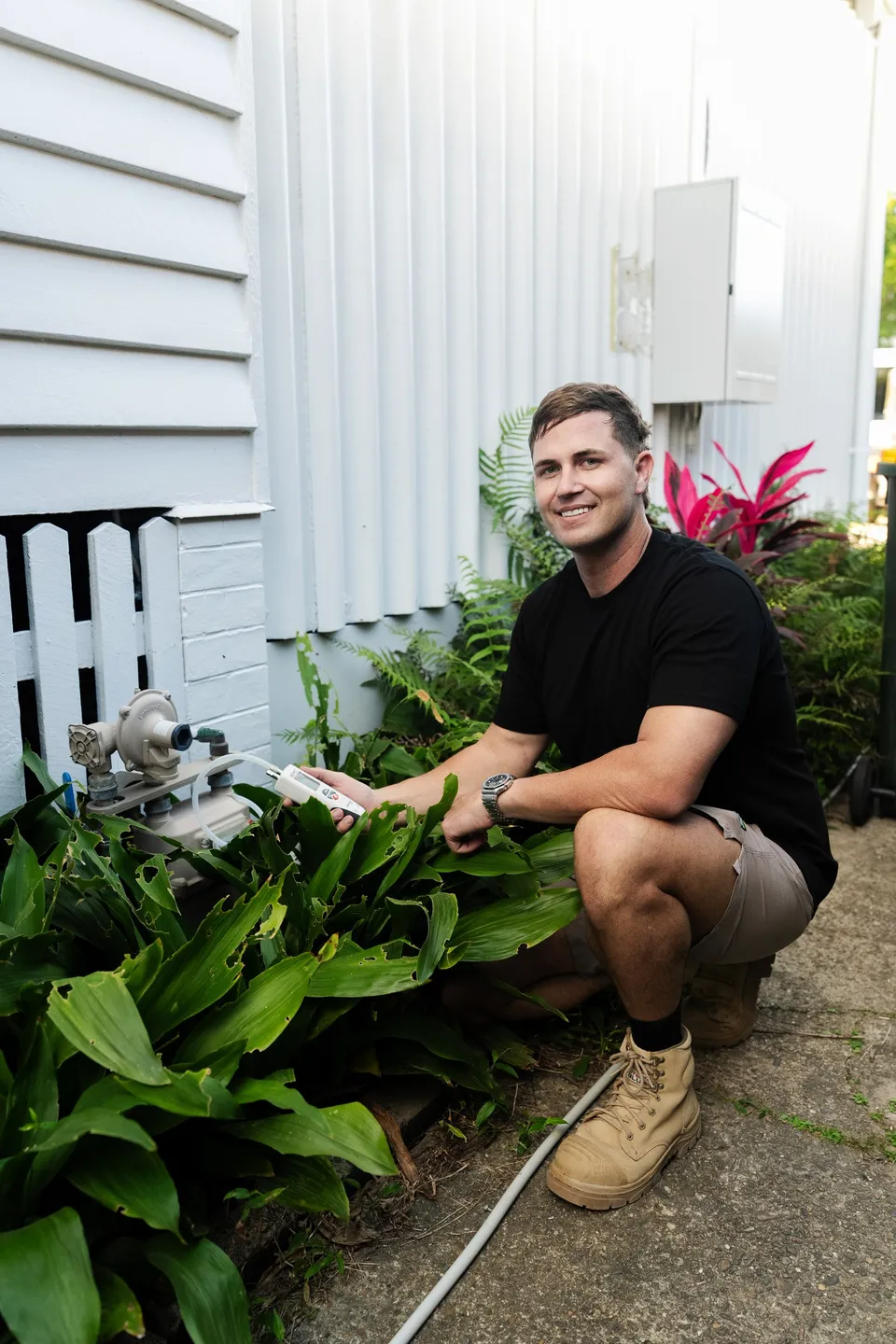
A portable LPG cylinder for a barbecue, usually 9 kg, needs a valid 10-year stamp before a filling station will refill it. The date gets checked on every bottle.
Storage rules apply the rest of the year:
- Keep cylinders in use and in storage somewhere breezy, away from heat and anything flammable.
- Lock spare bottles away somewhere secure, and never inside the car's cabin when moving them.
- Leave the valve sealed when the bottle is not in use, even when it is empty.
Two warnings from the Queensland safety alerts round this out. A rotten-egg odour means gas, and a cylinder valve is never a DIY repair or removal. After a storm or flood, call 000 if you can smell gas, and tell the gas supplier about any meter, regulator or bottle that's damaged.
For the indoor side of gas cooking, our gas cooktop installation page covers bench units and ovens.
How We Install Outdoor Gas Points
- 1

Get in touch
Call (07) 3524 7137 or send a quick message about the job in The Gap, and we'll ask what we need to know.
- 2

We map the point and the supply
We check where the appliance will sit, whether the existing line has capacity for another point, and what the supply check turns up for the extra load before touching a tool.
- 3
Sign off the quote
You'll see a fixed quote before any work starts, with flat-rate pricing and no hidden fees. The job starts when you're happy with it.
- 4

Pay once it's done
Pay by card or EFTPOS on site after the work's finished, or choose Fix now, pay later.
Plumbing job in The Gap?
$0 call-out fees, available 24/7, and same-day where we can.
Outdoor Gas Questions From The Gap
Call (07) 3524 7137Can I fit a gas bayonet point myself in The Gap?
No, you can't. Fitting the socket and its pipework is gas work in Queensland, so a licensed gasfitter has to do it. Before anyone starts, ask to sight their gas work licence.
How does an inbuilt gas BBQ get connected in The Gap?
A licensed gasfitter hooks the barbecue into the supply and sets it up per the manufacturer's instructions. Before leaving, the gasfitter leak-tests every joint and issues the paperwork confirming the installation complies.
What should I do if my inbuilt BBQ smells like gas?
Cut the gas to the barbecue, extinguish any naked flame, and keep phones, cameras or lights out of it. Raise the hood and leave the cabinet doors wide open. If the smell stays, turn the supply off at the meter or bottle, contact the gas supplier or have us come out, and call 000 if it lingers.
Can I bring my outdoor patio heater inside?
No, never. An outdoor portable heater stays in open air, never indoors or in a semi-enclosed spot, because carbon monoxide in large, toxic amounts can come from a unit that is faulty or used the wrong way. Have it serviced before winter each year.
Do I get paperwork after a new gas point goes in?
Yes, you do. The licence holder hands you a certificate confirming the gas system complies, straight after the installation or alteration is finished. Keep it with your property records, since it documents the work for insurance and any future sale.

Call Us About Your Outdoor Gas PointWe'll call you back.
Book on (07) 3524 7137 for plumbing anywhere in The Gap. We're available 24/7, there's no extra charge for nights, weekends or public holidays, and every job comes with $0 call-out fees.
To claim your $0 call-out fee, call (07) 3524 7137 today.